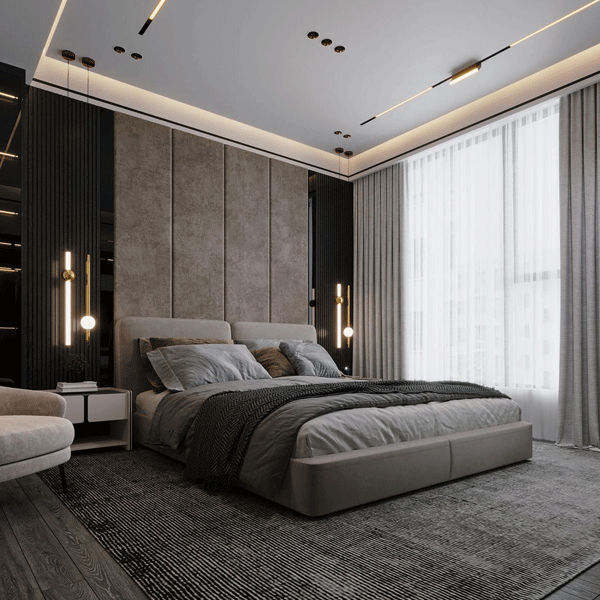
The New Luxury of Silence: Why High-End Patients Are Seeking Low-Stimulation Recovery Experiences
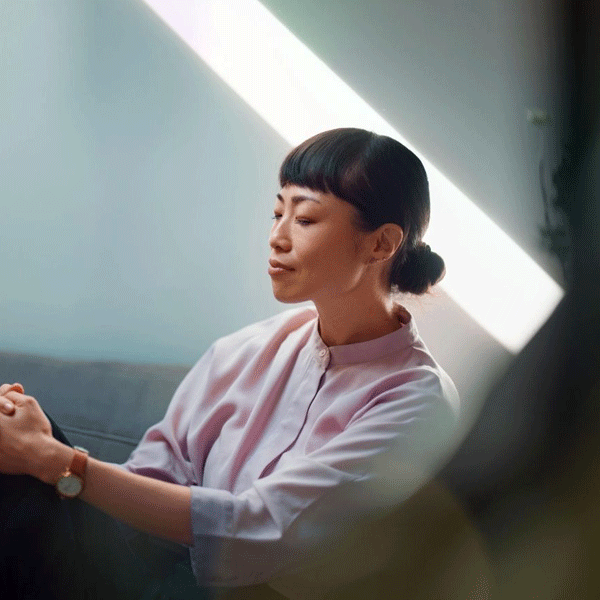
When Less Becomes More
In a world defined by constant stimulation — notifications, travel, noise, and speed — a new form of luxury is emerging:
silence.
For high-end patients, especially those traveling for medical care, recovery is no longer just about physical healing.
It is about creating an environment where the body and mind can truly slow down.
1. The Problem: Constant Stimulation
Modern life rarely allows the nervous system to rest.
Patients often arrive already experiencing:
* Mental fatigue
* Sensory overload
* Sleep disruption
* High baseline stress levels
Even in premium environments, excessive stimulation can interfere with recovery.
True rest requires something different.
2. What Is Low-Stimulation Recovery?
Low-stimulation recovery environments are intentionally designed to reduce external input.
They focus on:
* Soft lighting
* Minimal noise
* Neutral tones and calm spaces
* Limited digital exposure
* Controlled daily rhythms
The goal is to create a space where the body can naturally shift into a state of restoration.
3. Why This Matters in Medical Travel
After procedures or treatments, the body is already working to recover.
When combined with:
* Travel fatigue
* Emotional stress
* New environments
the system can become overloaded.
Low-stimulation environments help:
* Improve sleep quality
* Reduce inflammation response
* Support emotional regulation
* Accelerate recovery perception
4. Brazil’s Natural Alignment with This Trend
Brazil offers unique advantages for this type of experience.
From calm residential areas in São Paulo to nature-integrated environments, patients can access:
* Quiet, controlled spaces
* Warm, natural light
* A slower rhythm of care
* A culture that values presence and connection
This creates ideal conditions for intentional recovery.
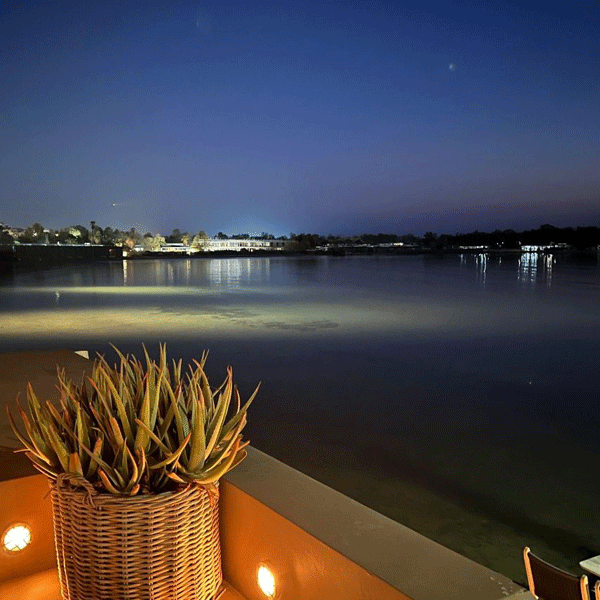
5. The Hale Approach: Designing Silence
At Hale Health Concierge, recovery is not left to chance.
We intentionally design environments that support:
* Privacy and discretion
* Reduced stimulation
* Emotional comfort
* Seamless coordination without disruption
We understand that the most refined experiences are often the ones that feel effortless and quiet.
The Luxury of Not Being Disturbed
True luxury today is not excess —
it is the ability to disconnect, restore, and feel at ease.
For international patients, this translates into recovery experiences that are:
* Calm
* Structured
* Thoughtfully designed
With Hale, patients experience a new standard of care —
where silence is not empty, but deeply restorative.