Facial Harmonization in Brazil: The Shift Toward Natural, Balanced Enhancement
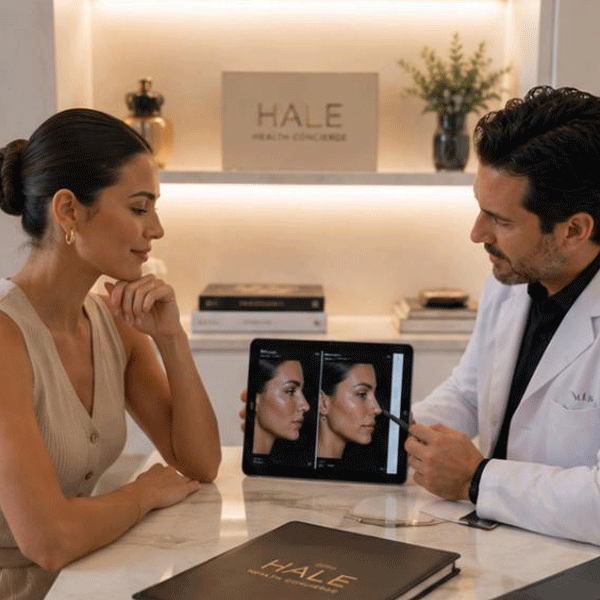
Aesthetic Medicine Is Becoming More Subtle
Facial aesthetics has changed dramatically over the past decade.
Patients are moving away from exaggerated transformations and increasingly seeking results that feel:
* Natural
* Balanced
* Harmonious
* Almost imperceptible
This shift has transformed the philosophy behind facial harmonization.
Today, the goal is no longer to change the face —
but to enhance structure while preserving identity.
1. What Is Facial Harmonization?
Facial harmonization refers to a set of minimally invasive aesthetic treatments designed to improve facial balance and proportion.
Depending on the patient’s needs, it may involve:
* Dermal fillers
* Skin quality treatments
* Collagen stimulation
* Jawline or chin refinement
* Structural facial support
The approach is fully personalized according to facial anatomy and aesthetic goals.
2. The Evolution of Natural Aesthetics
The aesthetic industry has shifted significantly toward more conservative outcomes.
Patients increasingly prioritize:
* Facial movement preservation
* Soft transitions and contour refinement
* Skin quality over excessive volume
* Long-term harmony rather than immediate impact
The most sophisticated results are often the least obvious.
3. Why Brazil Is a Global Reference
Brazil is internationally recognized for its expertise in aesthetic medicine.
Brazilian specialists are known for:
* Strong anatomical understanding
* Refined aesthetic sensibility
* Experience with diverse facial structures
* Natural-looking approaches
The Brazilian philosophy focuses heavily on balance and proportion — not artificial uniformity.
4. The Importance of Individualized Planning
Successful facial harmonization begins with careful evaluation.
Specialists consider:
* Facial proportions
* Bone structure
* Skin quality
* Natural movement and expression
* The patient’s overall aesthetic identity
This prevents overcorrection and supports results that age naturally over time.
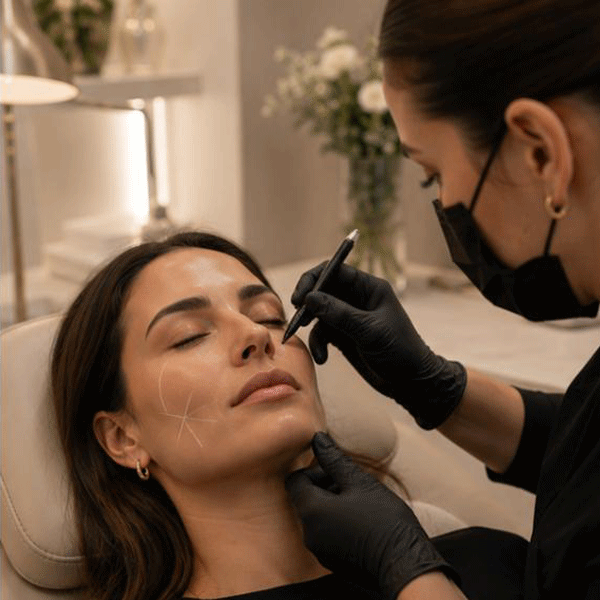
5. The Hale Experience: Refinement and Personalization
At Hale Health Concierge, facial aesthetic journeys are approached with precision and discretion.
We prioritize:
* Careful specialist curation
* Alignment between patient expectations and realistic outcomes
* Premium clinical environments
* Ongoing support throughout the process
We also emphasize communication, comfort, and a humanized experience at every stage.
Enhancement Without Excess
Modern facial harmonization is not about creating a different face.
It is about restoring balance in a way that feels elegant, subtle, and authentic.
With Brazil’s expertise and Hale’s curated approach, patients experience aesthetic medicine through a lens of refinement —
where the best results are the ones that still feel entirely like you.