The Human Side of Healthcare: Why Personalized Care Is Becoming the Ultimate Luxury
Technology Has Advanced — But Human Connection Matters More Than Ever
Healthcare has never been more advanced.
Artificial intelligence, cutting-edge diagnostics, minimally invasive procedures, and personalized treatments are transforming medicine worldwide.
Yet despite these innovations, one factor continues to influence the patient experience more than almost anything else:
human connection.
Today, patients are increasingly seeking healthcare experiences that feel personal, attentive, and genuinely supportive.
1. Patients Want to Feel Seen, Not Processed
Modern healthcare systems often prioritize efficiency.
While efficiency is important, many patients report feeling:
* Rushed
* Overwhelmed
* Uncertain
* Disconnected from their care teams
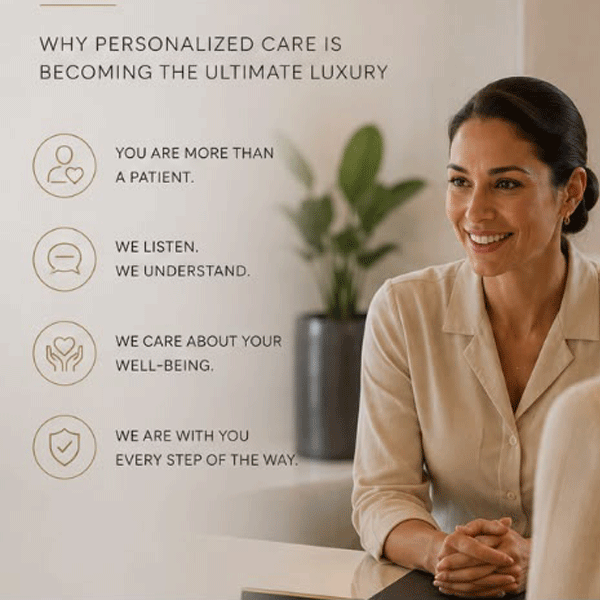
As a result, there is growing demand for experiences where patients feel heard, understood, and valued as individuals.
2. Personalized Care Goes Beyond Medicine
Personalized care is not limited to treatment plans.
It also includes:
* Understanding patient goals
* Respecting cultural backgrounds
* Adapting communication styles
* Supporting emotional needs
* Creating comfort throughout the journey
These elements often have a significant impact on how patients experience care.
3. International Patients Face Unique Challenges
Traveling abroad for treatment can create additional layers of vulnerability.
Patients may experience:
* Language barriers
* Cultural differences
* Anxiety about unfamiliar environments
* Concerns about logistics and coordination
This is why personalized support becomes even more valuable during an international healthcare journey.
4. Humanized Healthcare Is Becoming a Global Trend
Across the healthcare industry, there is a growing movement toward what many professionals call humanized care.
This approach focuses on:
* Empathy
* Active listening
* Patient-centered communication
* Emotional well-being
* Continuity of support
Patients increasingly view these factors as indicators of quality—not extras.

5. The Hale Approach: Relationships Matter
At Hale Health Concierge, we believe exceptional healthcare experiences are built on relationships.
Our team works closely with both patients and medical providers to ensure that every stage of the journey feels:
* Personalized
* Organized
* Respectful
* Supportive
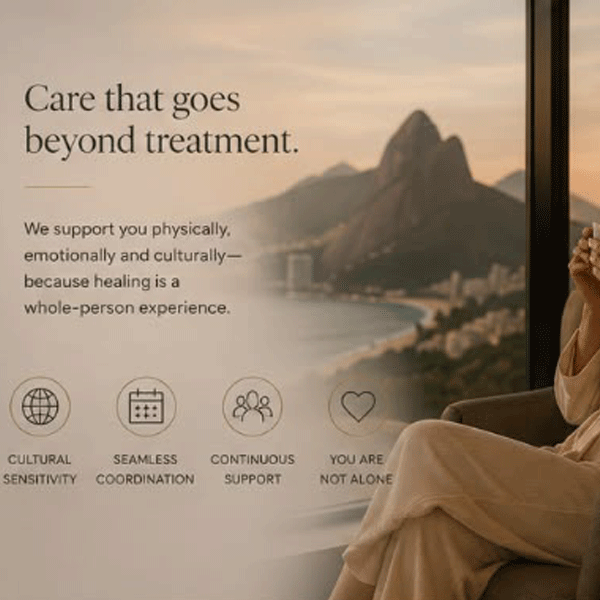
We also recognize the importance of cultural sensitivity, adapting each experience to the individual needs, expectations, and background of every patient.
Because true concierge care is not simply about coordination.
It is about making people feel cared for.
The Future of Healthcare Is More Human
As medicine continues to evolve, the most memorable healthcare experiences may not be defined by technology alone.
They will be defined by how patients feel throughout the journey.
Supported.
Respected.
Understood.
And confident that someone is there to guide them every step of the way.
That is the future of personalized healthcare.
And perhaps its most valuable form of luxury.