
How Does Medical Tourism in Brazil Work? A Step-by-Step Guide for International Patients
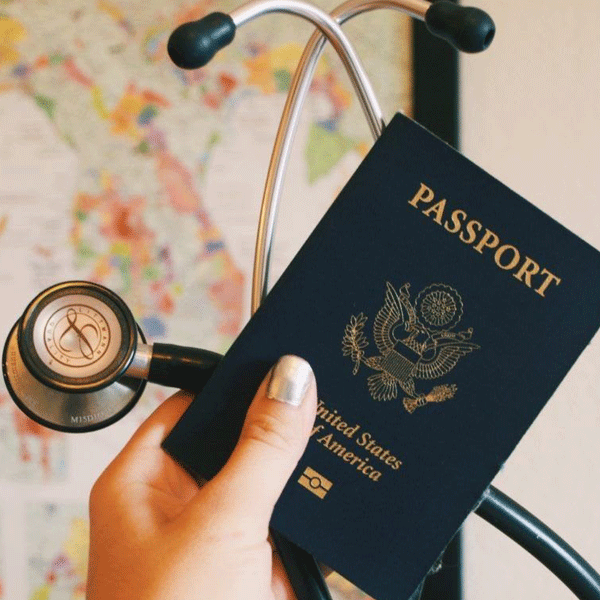
Planning medical travel can feel overwhelming—but understanding the process makes it much easier.
For many international patients, the idea of traveling abroad for medical treatment raises an important question:
“How does medical tourism actually work?”
The process is much more structured than many people imagine.
From your first consultation to your return home, each stage is carefully planned to prioritize safety, comfort, and continuity of care.
Whether you’re considering plastic surgery, aesthetic dentistry, fertility treatment, or wellness services, understanding the patient journey helps you make informed decisions and prepare with confidence.
Step 1: Define Your Goals
Every medical journey begins with understanding your needs.
Ask yourself:
What procedure are you considering?
What outcome are you hoping to achieve?
Do you have flexibility with travel dates?
Will you be traveling alone or with someone?
Having clear goals helps determine which specialists may be the best fit for your case.
Step 2: Medical Evaluation
Before any travel plans are finalized, your medical history should be reviewed.
Depending on your situation, you may be asked to provide:
Previous medical records
Laboratory test results
Imaging studies
Current medications
Photographs (when appropriate for surgical planning)
This information allows physicians to evaluate whether you are a suitable candidate before scheduling treatment.
Step 3: Consultation With Specialists
Many international patients begin with virtual consultations.
During these appointments, you can discuss:
Treatment goals
Available options
Expected recovery
Risks and benefits
Timeline for surgery or treatment
Virtual consultations make planning significantly easier before traveling.
Step 4: Planning Your Trip
Once your treatment plan is confirmed, travel arrangements can begin.
This typically includes:
Selecting travel dates
Booking accommodations
Organizing airport transportation
Scheduling consultations and procedures
Planning recovery time before returning home
Good planning reduces stress throughout the journey.
Step 5: Arrival in Brazil
After arriving, patients typically attend an in-person consultation before treatment.
This visit allows the physician to:
Confirm the treatment plan
Perform a physical evaluation
Review any remaining questions
Discuss final pre-operative instructions
Only after this assessment is the procedure confirmed.
Step 6: Treatment
Whether you are undergoing surgery, dental treatment, fertility care, or another medical service, your treatment is performed according to your individualized care plan.
The exact timeline depends on the complexity of your procedure and your physician’s recommendations.
Step 7: Recovery and Follow-Up
Recovery is an essential part of the medical journey.
Patients usually attend follow-up appointments before returning home.
These visits allow the medical team to:
Monitor healing
Answer questions
Adjust recovery recommendations if needed
Confirm that travel is medically appropriate
Taking sufficient time for recovery contributes to a safer overall experience.
Step 8: Returning Home
After medical clearance, patients return home with detailed recovery instructions.
Many physicians continue follow-up remotely through virtual appointments, allowing patients to stay connected with their healthcare team during recovery.
Why Many International Patients Use a Medical Concierge
Coordinating treatment in another country involves much more than scheduling surgery.
A medical concierge can assist with:
Identifying appropriate specialists
Coordinating appointments
Organizing medical records
Translation support
Accommodation recommendations
Transportation logistics
Recovery planning
Ongoing communication throughout the journey
Instead of managing multiple providers independently, patients benefit from having a single point of coordination.

Frequently Asked Questions
How does medical tourism work in Brazil?
Patients typically begin with medical evaluations and consultations before traveling. After arriving in Brazil, they complete any necessary in-person assessments, undergo treatment, recover under medical supervision, and return home once cleared by their physician.
Can I plan everything before traveling?
Many parts of the process—including consultations, medical record review, and travel planning—can often be completed before arriving in Brazil.
Do I need someone to organize my trip?
Not necessarily. However, many international patients choose to work with a medical concierge to simplify coordination and reduce stress.
What happens after I return home?
Many physicians continue follow-up care remotely, allowing patients to receive guidance during their recovery after returning to their home country.
Final Thoughts
Medical tourism in Brazil is about much more than traveling for treatment.
It is a carefully coordinated process that combines medical expertise, thoughtful planning, and personalized support to help patients navigate every stage of their journey.
By understanding how the process works before you travel, you can make informed decisions, prepare with confidence, and focus on achieving the best possible outcome.