
Hair Transplant in Brazil: Advanced Techniques for Natural, Undetectable Results
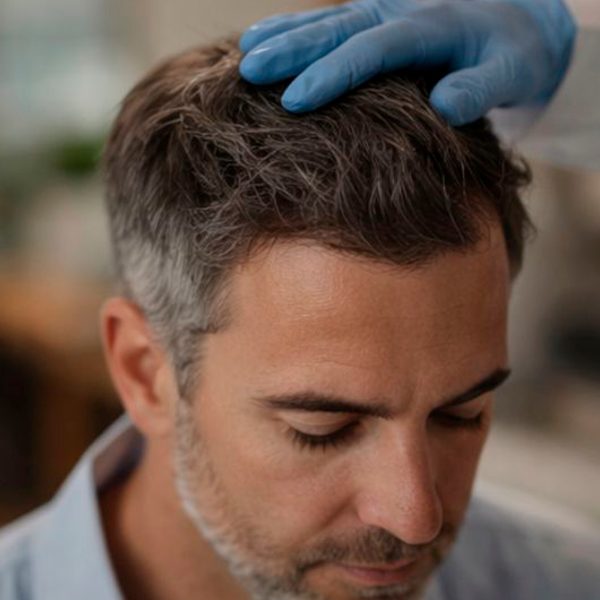
Restoring More Than Hair
Hair loss is one of the most common aesthetic concerns among men — and increasingly among women.
While it does not impact physical health, it often affects:
* Confidence
* Self-image
* Professional presence
* Social comfort
Today, hair restoration has evolved significantly, allowing patients to achieve natural, undetectable results when performed with the right expertise.
1. What Is a Hair Transplant?
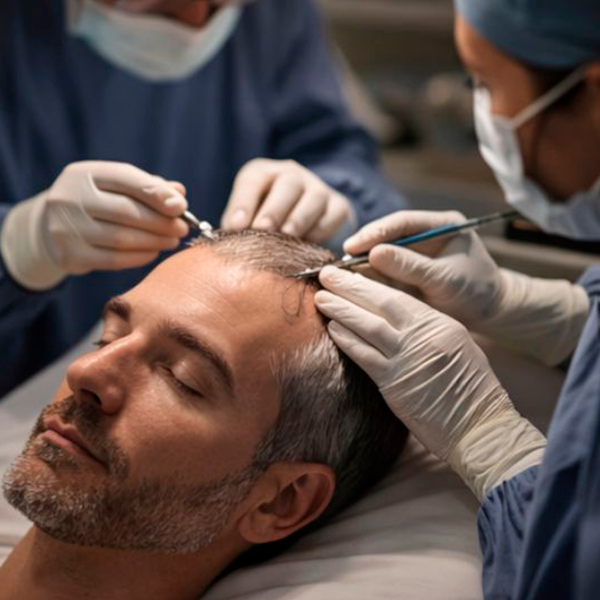
A hair transplant is a minimally invasive procedure that involves relocating hair follicles from one area of the scalp (typically the back or sides) to areas experiencing thinning or loss.
The most advanced techniques include:
* FUE (Follicular Unit Extraction)
* DHI (Direct Hair Implantation)
These methods allow for precise placement and natural hair growth patterns.
2. Why Technique Matters
The success of a hair transplant is not defined by the number of grafts — but by how they are placed.
A refined approach focuses on:
* Natural hairline design
* Proper density distribution
* Alignment with existing hair growth direction
* Long-term aesthetic planning
When done correctly, results should be imperceptible — even at close distance.
3. Why Brazil Is Gaining Attention in Hair Restoration
Brazil is becoming an increasingly attractive destination for hair restoration due to:
* Highly trained specialists
* Integration between aesthetic vision and medical technique
* Personalized treatment planning
* Advanced clinical environments
Brazilian professionals are known for prioritizing natural outcomes and individualized approaches, rather than standardized results.
4. The Patient Experience
Hair transplant procedures are typically performed over one or more sessions, depending on the case.
Patients can expect:
* A detailed consultation and hairline planning
* A carefully controlled procedure
* Minimal downtime compared to traditional surgical interventions
* Gradual results over several months
The process requires patience — but delivers long-term, stable outcomes.
5. The Hale Approach: Precision and Personalization
At Hale Health Concierge, hair restoration journeys are curated with attention to detail.
We focus on:
* Selecting the right specialist for each case
* Ensuring alignment between expectations and achievable results
* Coordinating logistics and scheduling
* Supporting the patient throughout the full journey
We also prioritize discretion, comfort, and a clear, structured experience from start to finish.
Natural, Not Noticeable
The goal of modern hair restoration is not to create the appearance of intervention —
but to restore what feels natural.
With the right technique and a carefully curated experience, patients achieve results that integrate seamlessly into their identity.
With Hale, this process is guided with precision, care, and a refined understanding of aesthetics.