Healthy Aging: Why Patients Are Redefining What It Means to Age Well
The Conversation About Aging Is Changing
For generations, aging was viewed as something to resist.
Today, a different perspective is emerging.
Patients are no longer asking:
“How can I look younger?”
They are asking:
“How can I remain healthy, active, and vibrant as I age?”
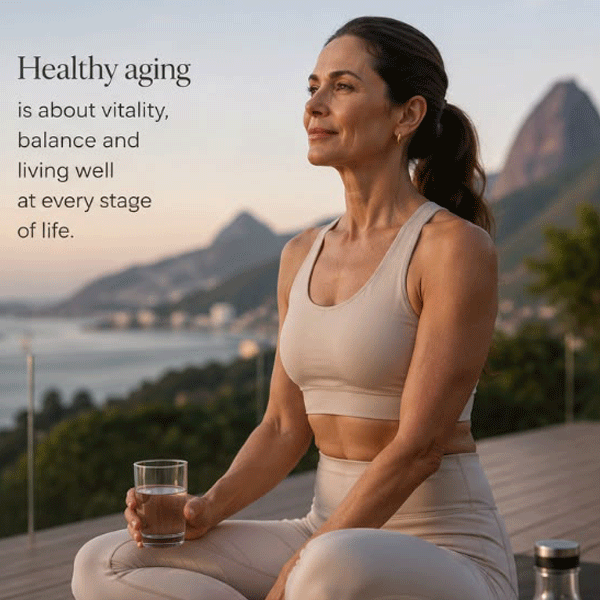
This shift has transformed the concept of aging from a cosmetic concern into a broader conversation about quality of life, vitality, and longevity.
1. Aging Well Is More Than Appearance
Healthy aging is not defined by a number.
It is influenced by multiple factors, including:
* Physical health
* Cognitive function
* Emotional well-being
* Mobility and strength
* Sleep quality
* Social connection
The goal is no longer simply extending lifespan.
It is extending healthspan — the years lived in good health.
2. Prevention Is Becoming a Priority
Many patients are becoming more proactive about their health.
Rather than waiting for problems to appear, they are investing in:
* Preventive screenings
* Lifestyle optimization
* Wellness programs
* Nutritional support
* Recovery-focused habits
This proactive mindset is reshaping modern healthcare.
3. The Role of Recovery and Regeneration
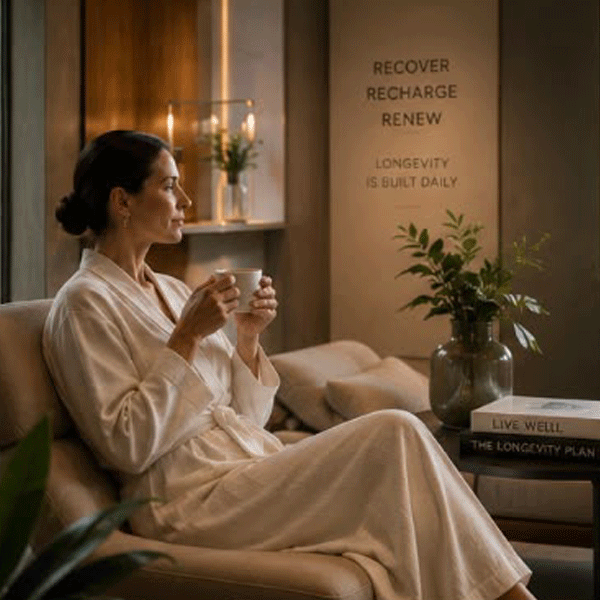
One of the biggest lessons from longevity research is that recovery matters as much as activity.
The body requires time and support to:
* Repair tissues
* Regulate stress
* Maintain energy
* Support cognitive performance
As a result, recovery is increasingly viewed as a pillar of healthy aging.
4. Why Wellness Travel Is Part of the Movement
Many individuals are now incorporating wellness experiences into their long-term health strategies.
These journeys may focus on:
* Rest and recovery
* Physical activity
* Sleep optimization
* Mindfulness and stress reduction
* Preventive health assessments
The objective is not escape.
It is investing intentionally in future well-being.
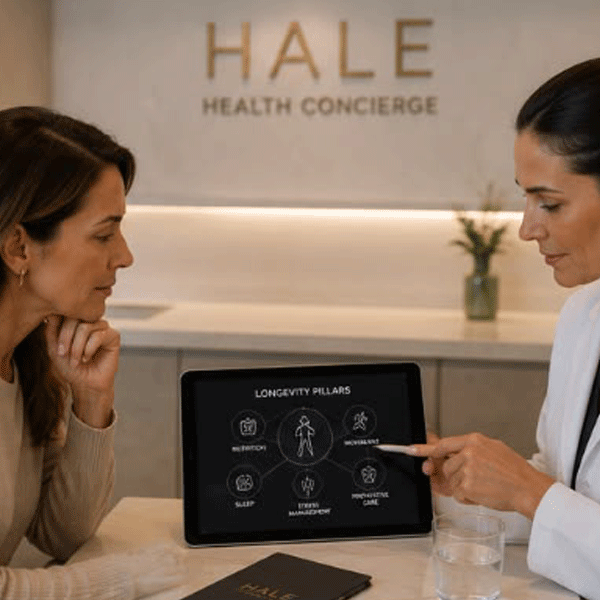
5. The Hale Perspective: Aging with Vitality
At Hale Health Concierge, healthy aging is approached through a personalized lens.
We help patients access experiences and specialists focused on:
* Preventive care
* Wellness integration
* Recovery support
* Long-term health planning
Our goal is to create journeys that support not only longevity — but a higher quality of life throughout every stage of it.
The Future of Aging Is Active
The future of aging is not about fighting time.
It is about supporting the body and mind in a way that allows people to remain engaged, energized, and independent for as long as possible.
Healthy aging represents a new vision of healthcare — one centered on vitality rather than decline.
With Hale, patients explore that vision through experiences that combine:
* Medical expertise
* Wellness
* Prevention
* And personalized care
Because aging well is ultimately about living well.