
How Much Does Rhinoplasty Cost in Brazil vs. the U.S. and Europe?
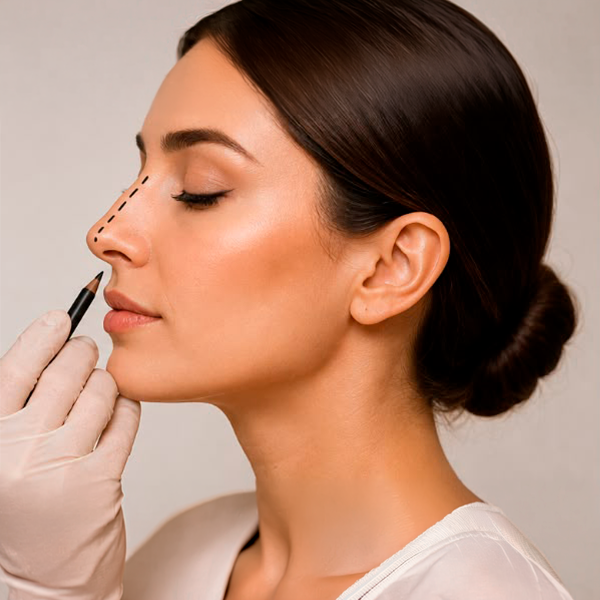
Rhinoplasty is one of the procedures international patients frequently consider when researching plastic surgery abroad. And one of the first questions is usually:
How much does rhinoplasty cost in Brazil compared to the United States and Europe?
In general, rhinoplasty in Brazil can cost significantly less than private cosmetic surgery in the United States and several European markets. But price varies according to the surgeon, complexity of the case, hospital, anesthesia, and whether the procedure is a primary or revision rhinoplasty.
For international patients, the best comparison is therefore not simply the surgical fee, but the total cost of treatment and travel.
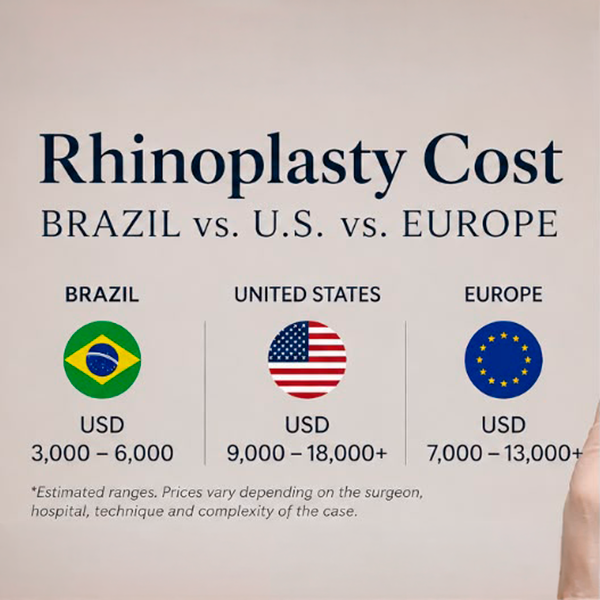
Rhinoplasty Cost: Brazil vs. U.S. vs. Europe
There is no fixed price for rhinoplasty in any country. However, broad private-market estimates can help patients understand the potential difference in cost.
| Destination | Estimated Rhinoplasty Cost* |
|---|---|
| Brazil | USD 3,000–6,000 |
| United States | USD 9,000–18,000+ |
| Europe | USD 7,000–13,000+ |
These are broad market estimates for general comparison and are not treatment quotes. Actual costs depend on the surgeon, hospital, anesthesia, surgical complexity and individual treatment plan.
This means Brazil may offer a considerable financial advantage, particularly for patients paying in U.S. dollars, euros or pounds.
However, the lowest price should never be the primary reason for choosing a surgeon.
Why Can Rhinoplasty Cost Less in Brazil?
The difference in price is influenced by several factors, including:
Healthcare operating costs
Hospital and facility expenses
Professional costs
Local labor costs
Currency exchange rates
These structural differences can make private medical care more affordable to international patients without necessarily indicating a difference in the complexity of the procedure.
Brazil also has a long-established plastic surgery culture and a large aesthetic surgery market.
For patients researching treatment abroad, this creates an important distinction:
Lower cost and lower quality are not automatically the same thing.
The individual surgeon, hospital and treatment plan remain the most important factors.
What Is Usually Included in the Cost of Rhinoplasty?
Before comparing prices between countries or surgeons, patients should understand exactly what each quote includes.
Depending on the provider, rhinoplasty costs may include:
Surgeon’s professional fee
Anesthesiologist
Hospital or surgical facility
Operating room expenses
Medical materials
Initial post-operative appointments
Other expenses may be separate.
International patients should therefore request a detailed breakdown rather than comparing only the final number.
Does Revision Rhinoplasty Cost More?
Often, yes.
Revision rhinoplasty can be more technically complex because the surgeon is working with structures that have already been altered by a previous procedure.
Factors that may influence the price include:
Scar tissue
Changes to nasal anatomy
Previous removal of cartilage
Need for cartilage grafting
Functional breathing concerns
Complexity of the desired correction
For these reasons, revision rhinoplasty generally requires a highly individualized assessment.
Can You Have Functional and Aesthetic Rhinoplasty at the Same Time?
In some cases, yes.
A patient may be interested in changing the appearance of the nose while also addressing functional concerns, such as breathing difficulties.
The appropriate surgical approach depends on the patient’s anatomy and medical evaluation.
During consultation, the surgeon should determine whether aesthetic and functional concerns can be addressed within the same surgical plan.
Is Rhinoplasty in Brazil Still Cheaper After Travel Costs?
For some international patients, yes.
The total budget should include both medical and travel-related expenses:
| Medical Expenses | Travel & Recovery Expenses |
|---|
| Surgeon | Flights |
| Hospital | Accommodation |
| Anesthesia | Airport transfers |
| Pre-operative tests | Local transportation |
| Follow-up care | Daily expenses during recovery |
Because rhinoplasty prices can differ considerably between Brazil and countries such as the United States, the total medical journey may remain competitive even after travel expenses.
The exact difference will depend on the patient’s treatment plan and preferred level of accommodation.
How Long Should You Stay in Brazil After Rhinoplasty?
International patients should not plan their return flight immediately after surgery.
The initial recovery period allows the surgeon to monitor healing and conduct important follow-up appointments.
A stay of approximately 10 to 14 days may be recommended in some cases, although this varies according to the procedure and individual recovery.
Patients should only fly when cleared by their surgeon.
How Do You Choose a Rhinoplasty Surgeon in Brazil?
Rhinoplasty is a highly individualized procedure, so specific experience matters.
When researching surgeons, international patients should consider:
Experience performing rhinoplasty
Experience with cases similar to their own
Professional qualifications
Surgical approach
Hospital affiliations
Before-and-after cases
Communication during consultation
Approach to functional as well as aesthetic concerns
Post-operative follow-up
A surgeon who is appropriate for one patient may not necessarily be the best match for another.
Why Is the Consultation Especially Important for Rhinoplasty?
Because rhinoplasty involves both facial aesthetics and nasal anatomy, the consultation is essential.
Patients should be able to discuss:
What they would like to change
What they would like to preserve
Previous nasal procedures
Breathing concerns
Realistic surgical possibilities
Recovery
Risks and limitations
This is also an opportunity to understand the surgeon’s aesthetic approach.
For many patients, the objective is not to create a completely different nose, but to achieve a result that feels balanced with the rest of the face.
How Can a Medical Concierge Help International Rhinoplasty Patients?
Researching surgeons in another country can be challenging, particularly when patients are comparing credentials, techniques and different treatment recommendations.
A medical concierge can help coordinate this process.
At Hale Health Concierge, the medical curation process begins by understanding the patient’s case and priorities before identifying specialists aligned with those needs.
Support can include:
Medical curation
Coordination of consultations
Organization of medical information
Communication support
Travel planning
Accommodation and transportation coordination
Recovery logistics
Follow-up organization
This gives international patients a structured way to evaluate their options before deciding on a surgeon.
Frequently Asked Questions
How much does rhinoplasty cost in Brazil?
There is no universal price. The final cost depends on the surgeon, hospital, anesthesia, complexity of the procedure and whether it is a primary or revision rhinoplasty.
Is rhinoplasty cheaper in Brazil than in the U.S.?
It can be significantly less expensive. However, patients should compare the complete treatment cost, including hospital and anesthesia fees as well as travel and recovery expenses.
Why is rhinoplasty cheaper in Brazil?
Differences in operating costs, professional expenses, healthcare economics and currency exchange can make private cosmetic surgery more affordable for international patients.
Is revision rhinoplasty more expensive in Brazil?
Revision surgery may cost more than primary rhinoplasty because previous surgery can make the procedure more technically complex. An individual consultation is necessary to determine the treatment plan.
How long do I need to stay in Brazil after rhinoplasty?
Some international patients may need approximately 10 to 14 days before traveling, but the appropriate timeframe depends on individual recovery and the surgeon’s recommendation.
Can I have an online consultation before traveling to Brazil?
In many cases, yes. Virtual consultations can help international patients discuss their goals, medical history and potential treatment before traveling. An in-person medical evaluation will still be necessary.
Is Brazil a good destination for rhinoplasty?
Brazil has an established plastic surgery sector and experienced specialists. However, patients should evaluate the individual surgeon, hospital, surgical plan and follow-up care rather than choosing a destination based on reputation alone.
Final Thoughts
The cost difference between rhinoplasty in Brazil and private surgery in the United States or Europe can make Brazil an attractive option for international patients.
But rhinoplasty is not a procedure that should be selected based on price alone.
The surgeon’s experience, understanding of facial proportions, ability to address the patient’s individual anatomy, hospital infrastructure and quality of follow-up are fundamental parts of the decision.
For international patients, researching and comparing qualified specialists before traveling can make the process clearer and help ensure that quality, safety and individual fit remain at the center of the decision.