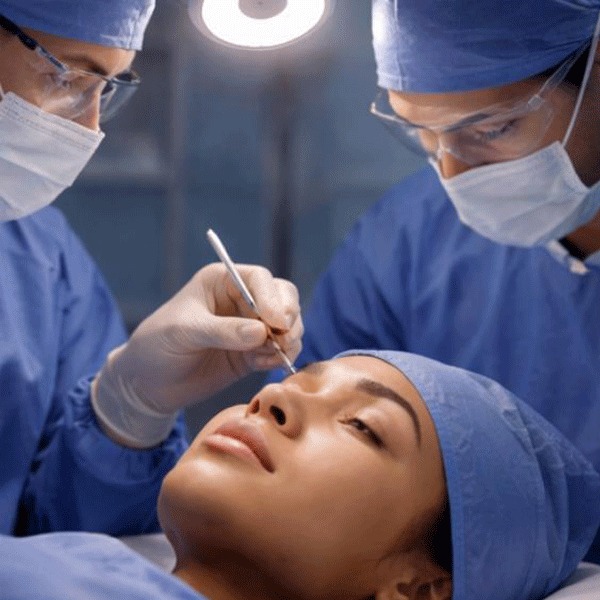
Rhinoplasty in Brazil: Precision, Artistry, and Natural Results

The Balance Between Function and Aesthetics
Rhinoplasty is one of the most complex procedures in facial plastic surgery.
Because the nose plays a central role in facial harmony, even subtle changes can dramatically influence the overall balance of the face.
For this reason, modern rhinoplasty is not simply about reducing or reshaping the nose.
It is about refining proportions while preserving the natural identity of the patient.
Brazil has become an internationally recognized destination for rhinoplasty, attracting patients who seek surgeons known for combining technical precision with aesthetic sensitivity.
1. What Is Rhinoplasty?
Rhinoplasty is a surgical procedure that reshapes the nose to improve both appearance and function.
Patients may seek rhinoplasty to address:
•A dorsal hump or nasal bump
•A drooping or enlarged nasal tip
•Asymmetry or irregular contours
•Breathing difficulties caused by structural issues
•Nasal proportions that do not harmonize with facial features
Modern techniques allow surgeons to reshape nasal structures while maintaining natural facial balance.
2. Why Brazil Is Known for Rhinoplasty
Brazilian plastic surgeons are internationally respected for their expertise in facial procedures.
This reputation comes from several factors:
•Advanced surgical training
•A strong culture of aesthetic medicine
•A focus on natural, harmonious results
•Extensive experience with diverse facial anatomies
Rather than pursuing exaggerated transformations, Brazilian surgeons typically prioritize subtle refinement and facial balance.
3. The Importance of Individualized Surgical Planning
Every nose is unique, and successful rhinoplasty begins with careful analysis.
Surgeons evaluate several elements before recommending a procedure, including:
•Facial proportions
•Skin thickness
•Nasal structure and cartilage
•Breathing function
•The patient’s aesthetic goals
Modern digital imaging may also be used to help patients visualize potential results, supporting a transparent and collaborative planning process.
4. Recovery and Post-Operative Care
Recovery after rhinoplasty typically involves several phases.
In the first weeks, swelling and mild bruising are common, but these gradually subside as the nose heals.
Full results may take several months to appear as the tissues settle and refine.
A carefully planned recovery environment — with proper rest, follow-up appointments, and medical monitoring — plays an essential role in achieving optimal outcomes.

5. The Hale Experience in Facial Surgery
At Hale Health Concierge, we help international patients navigate complex aesthetic procedures with clarity and confidence.
Our role is to ensure that every stage of the journey is seamless, including:
•Connecting patients with experienced rhinoplasty specialists
•Coordinating consultations and surgical planning
•Organizing hospital logistics
•Supporting recovery and follow-up care
•Providing personalized assistance throughout the stay in Brazil
We also emphasize cultural sensitivity, humanized care, and continuous communication between patients and medical teams.
Refining Harmony, Not Changing Identity
Modern rhinoplasty is not about creating a new face.
The true goal is refinement — enhancing natural proportions while preserving the patient’s unique identity.
With Brazil’s internationally respected surgeons and Hale’s curated medical journeys, patients can approach rhinoplasty with confidence, supported by expertise, precision, and personalized care.